
About
Lightweight turbojets, built in series
Lightweight aviation turbojet engines, micro gas turbines and turbochargers, developed and manufactured in Tianjin.
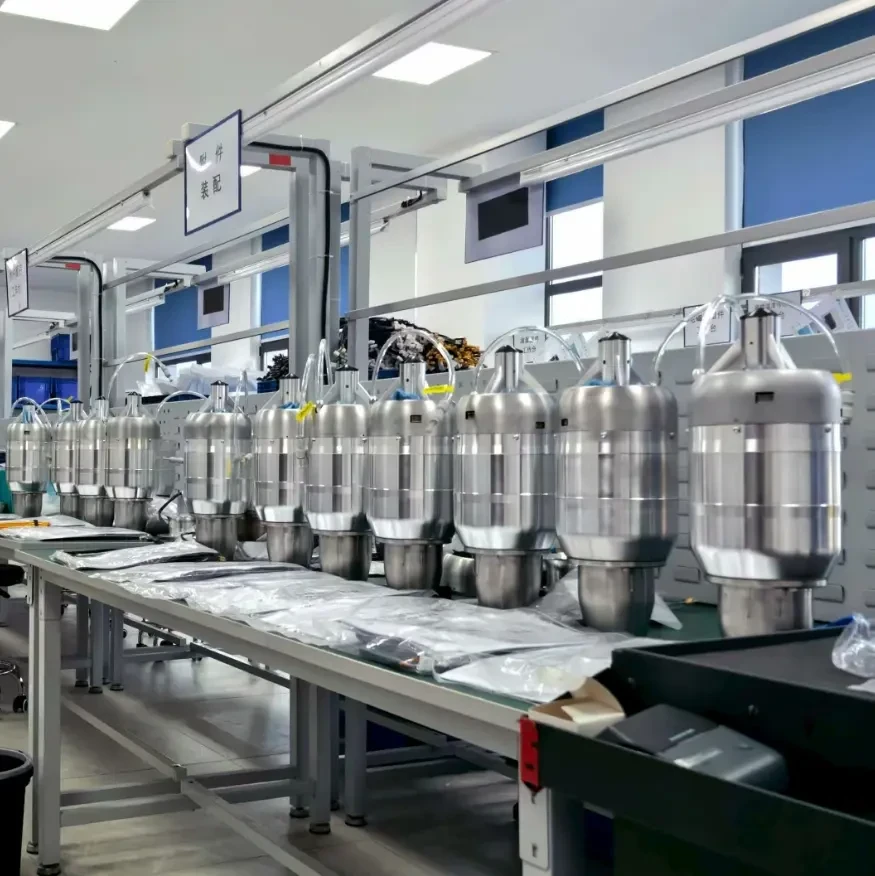
Production runs on more than 200 sets of testing and manufacturing equipment, including testing instruments, CNC lathes, machining centres and conventional lathes. Four facilities carry development and batch testing: an aviation turbojet engine performance laboratory, a micro gas turbine laboratory, an ultra-high-speed power generation test bench and a turbocharger performance laboratory.
Small aviation turbojet engines are in mass production at 9.5, 23, 24, 40, 60, 80, 100, 110, 120, 160, 200 and 260 kgf. Six of these ratings — WP-20-23, 240A, WP40, WP80, WP120 and WP160 — are documented on this site with published datasheets; other ratings are quoted on request. The company supplies customers worldwide and works with them on long-term programmes.
- Company
- Tianjin Ruifei Intelligent Technology Co., Ltd.
- Workshop
- Building 1, Area F, Airport International Headquarters Base, Guangxuan Road, Dongli District, Tianjin, China
- Working hours
- Mon–Fri, 09:00–18:00 (UTC+8)
Process
Six steps from billet to case
The same sequence runs for every class, so a heavy unit and a compact unit are checked the same way.
- 01
Machining
Housings and shafts are turned and milled from billet aluminium and steel, then checked against the drawing before assembly.
- 02
Rotor balancing
Compressor and turbine assemblies are balanced as a unit. Imbalance readings are recorded against the serial number.
- 03
Assembly
Bearing sets, seals and the ECU harness are fitted on one bench so the engine leaves with a complete accessory fit.
- 04
Bench run
Each engine is started and run through idle, mid and high power before dispatch, and the ECU protection limits are checked in the same session.
- 05
Inspection
Nozzle, mounting points and wiring are inspected after the run. Any part outside tolerance is replaced, not reworked.
- 06
Packing and dispatch
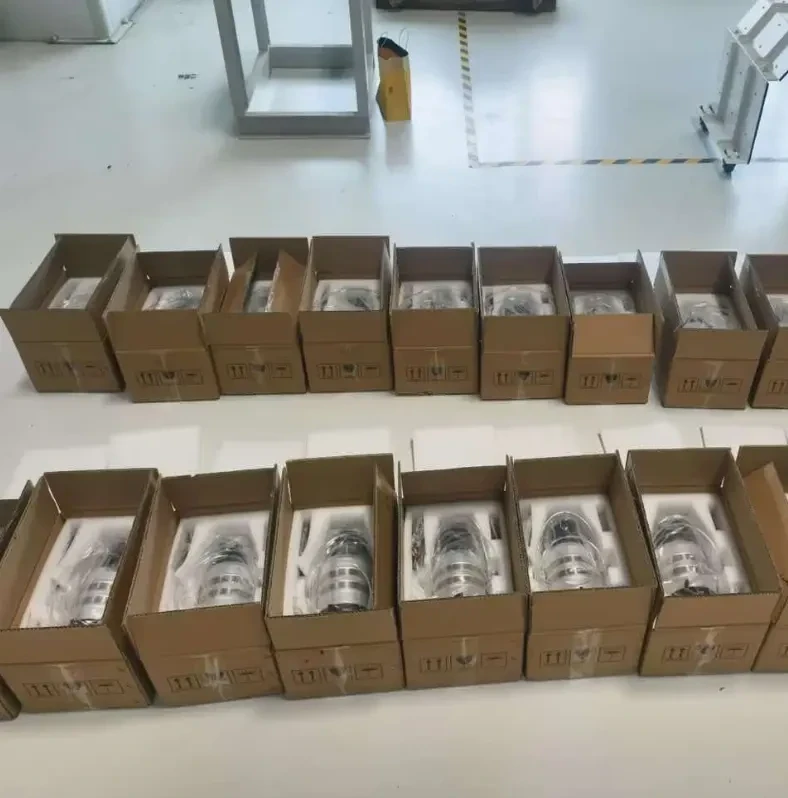
Engines ship with the ECU. Where the model datasheet lists a fuel filter, hoses or a ground support unit, those parts are packed with the engine.
What is checked before dispatch
Checks are recorded against the engine serial number and travel with the unit.
- Rated limits matched to the datasheet
- Fuel consumption checked against the rated value
- Rotor balance recorded
- Bearing clearance checked
- ECU firmware and limits verified
- Serial number recorded for overhaul and spares
Service scope
Start-up and tuning questions are answered by email or call. TBO is 20–25 h depending on model; engines are returned for renovation at that point, and out-of-warranty overhaul is quoted per unit after inspection. Response target: one business day.
Ask the workshopAbout the range
Numbers first, then the quote.
If a specification on this site is missing something you need, say so in the quote form — the reply can include bench data for the specific unit.
Quotes are answered within one business day.
Request a Quote